
Elaborazione del Suono Sound Processing
FILTRI
(ED EFFETTI DERIVATI)
FILTERS
AND EQ (+ DERIVATIVE EFFECTS)
Filtri · Wah-wah · Phaser Filters · Wah-wah · Phaser
Filtro Filter
Un filtro è un dispositivo che agisce prevalentemente su alcune frequenze contenute in un suono attenuandone o, se accoppiato a un'amplificazione, enfatizzandone l'ampiezza*. A filter is a device that attenuates the amplitude* of certain frequencies in a sound. With amplification and gain incorporated with filters, it is also possible to emphasize or boost certain frequencies.
* e/o cambiandone la fase. * and, consequently, alters the phase
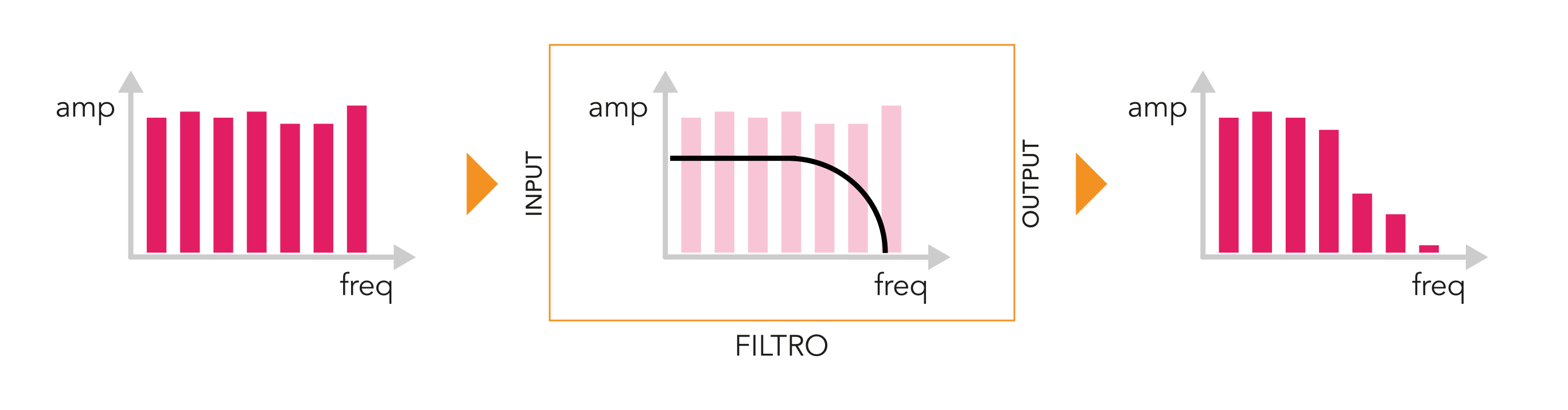
Tipi principali di Filtri Main Filters
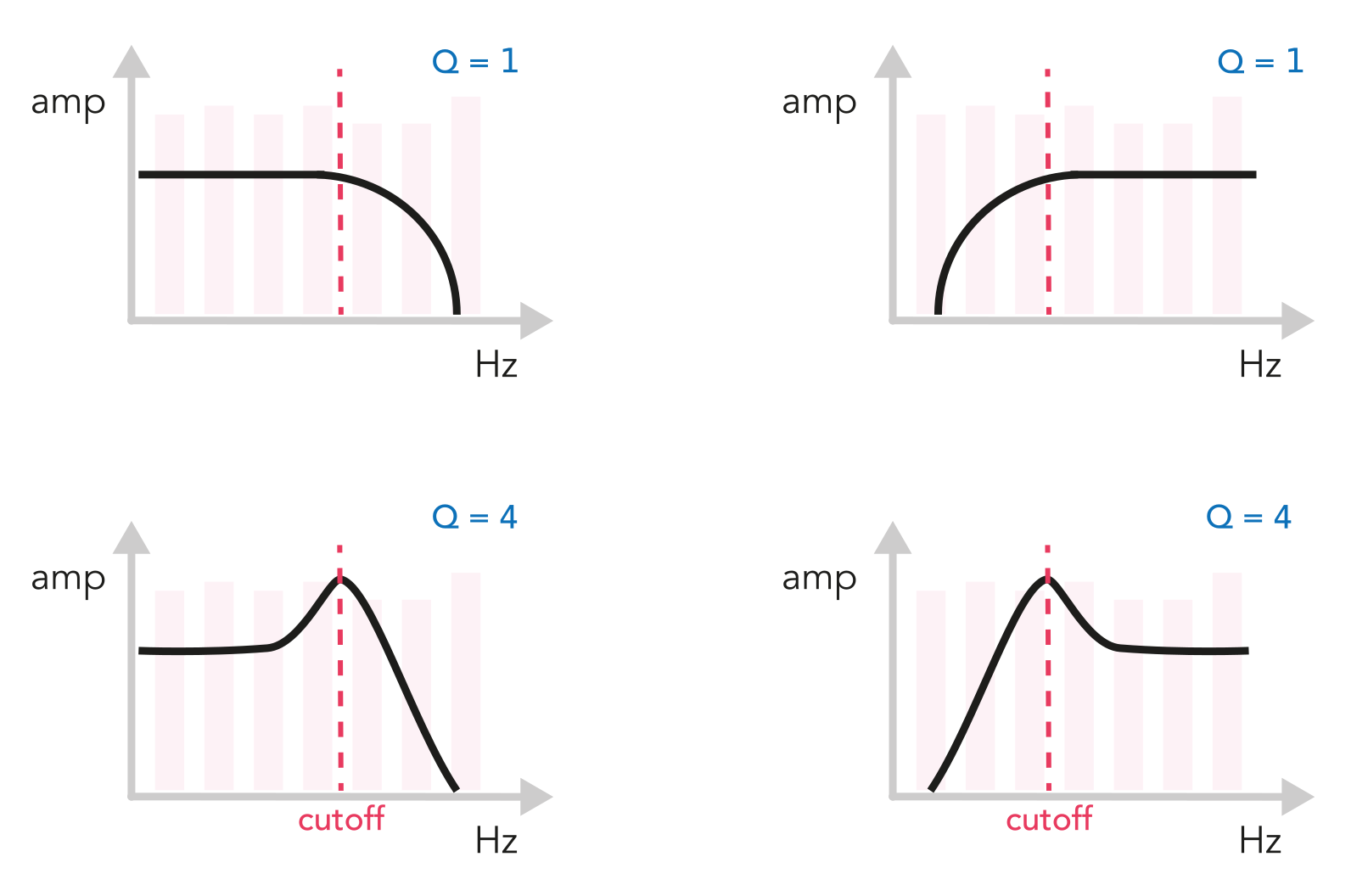
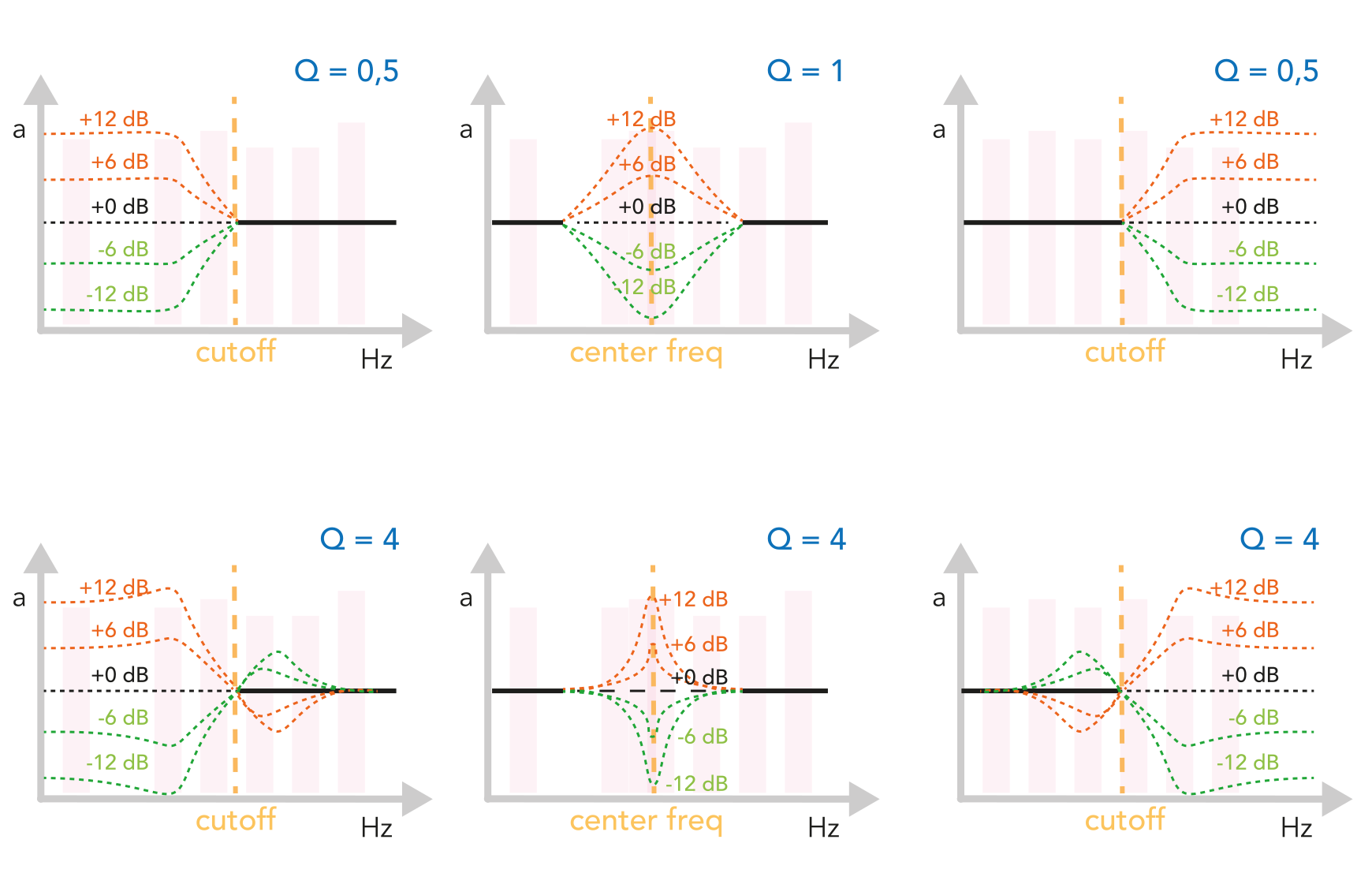
Elimina le frequenze al di sopra della frequenza di taglio mantenendo quelle al di sotto Attenuates frequencies above the cut-off frequency while maintaining those below
Elimina le frequenze al di sotto della frequenza di taglio mantenendo quelle al di sopra Attenuates frequencies below the cut-off frequency while maintaining those above it
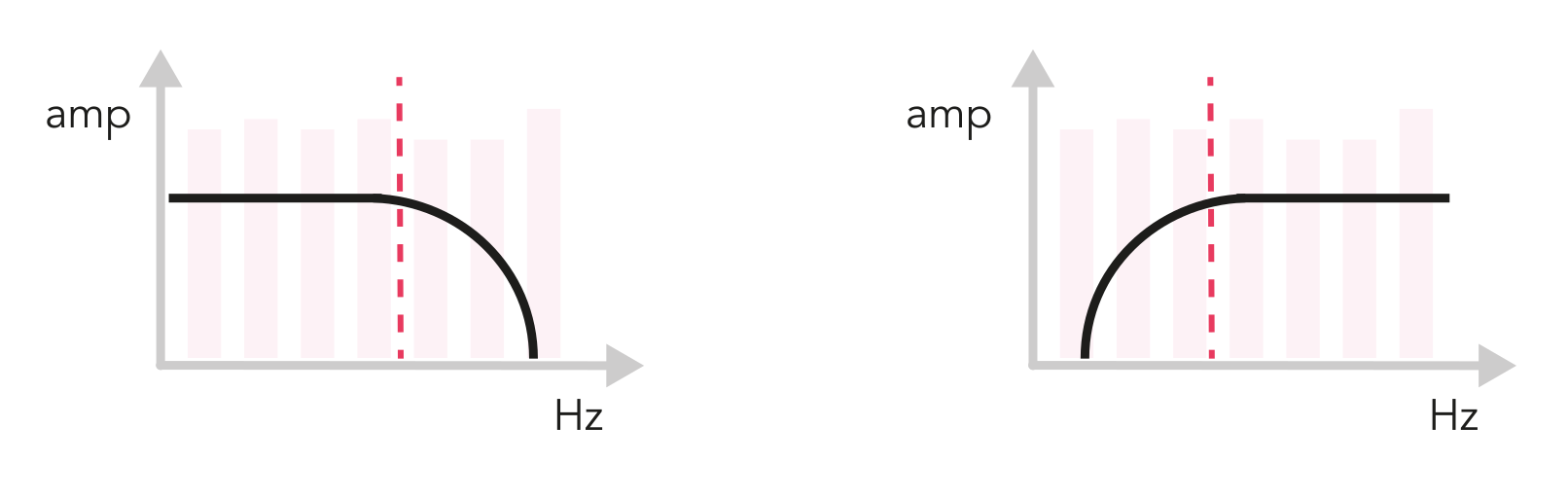
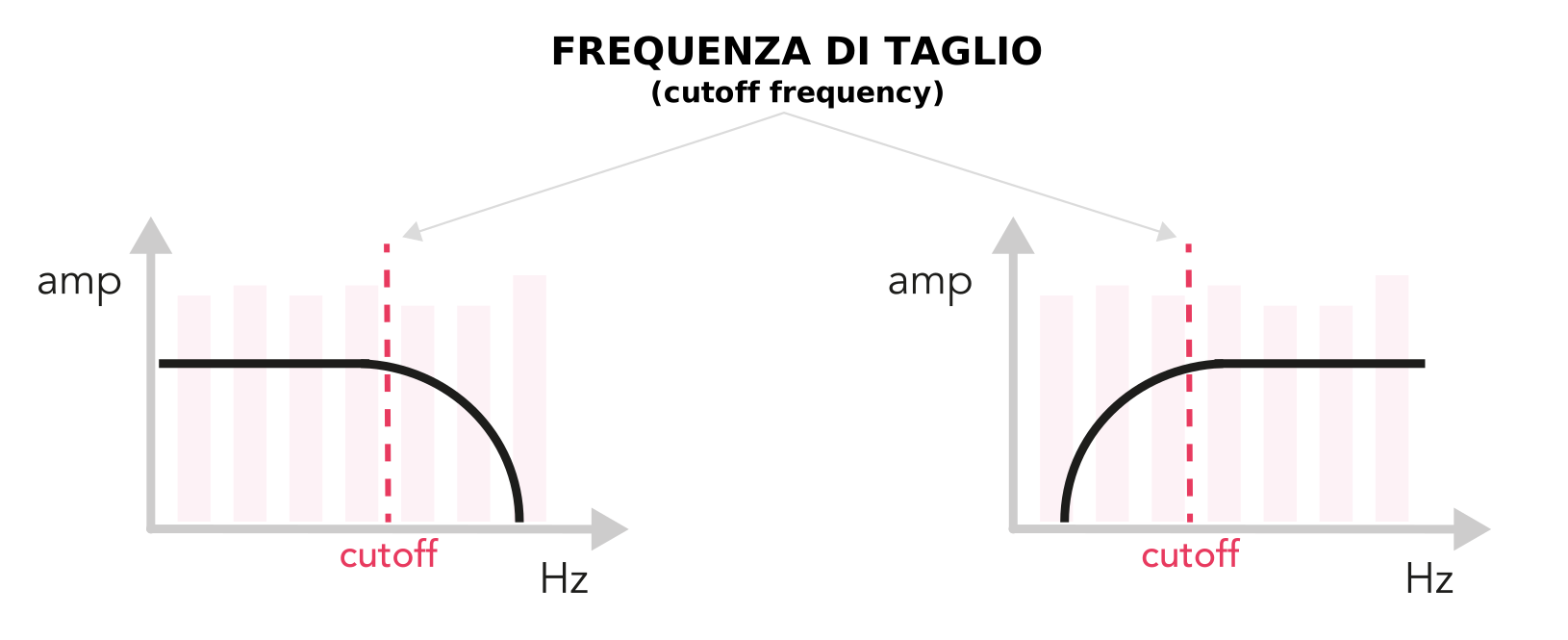
Parametri Parameters
Indica la frequenza dalla quale il filtro inizia ad agire. The frequency threshold, in hertz, where the filter essentially activates
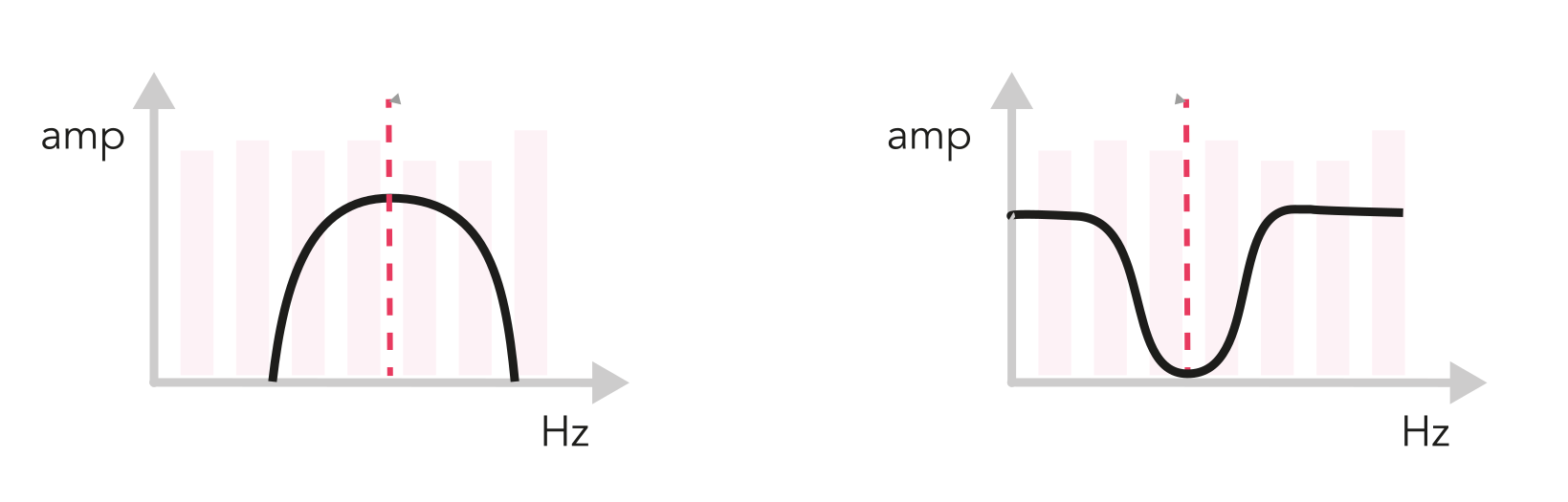
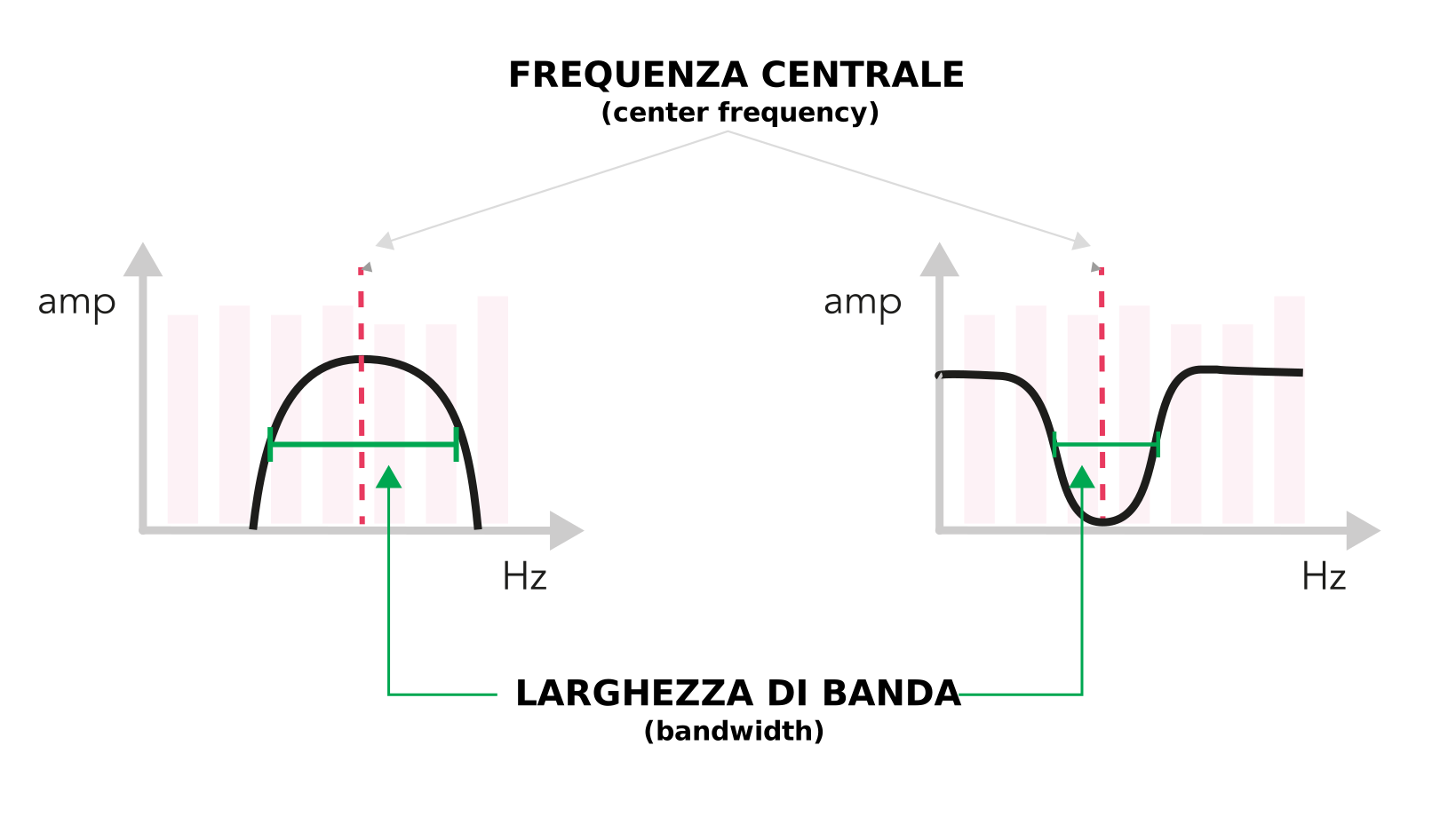
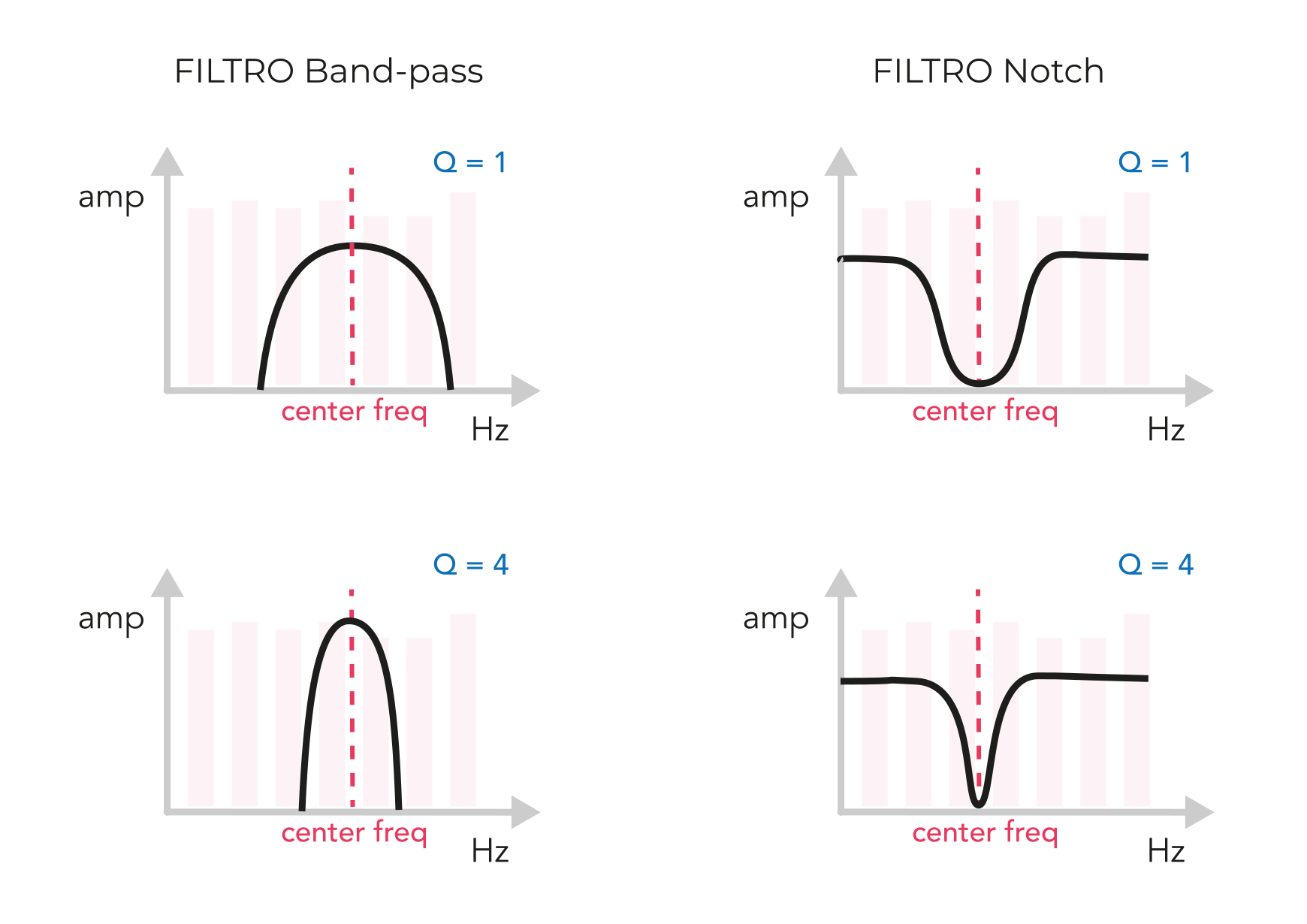
Fa passare le frequenze all'interno del range di frequenze della banda scelta. It passes frequencies within the frequency range of the chosen band.
Elimina le frequenze all'interno del range di frequenze della banda scelta. Removes frequencies within the frequency range of the chosen band.
Parametri Parameters
Indica la frequenza centrale della banda scelta The band's center frequency.
Indica quanto grande è la banda scelta How wide the frequency band is, in hertz.
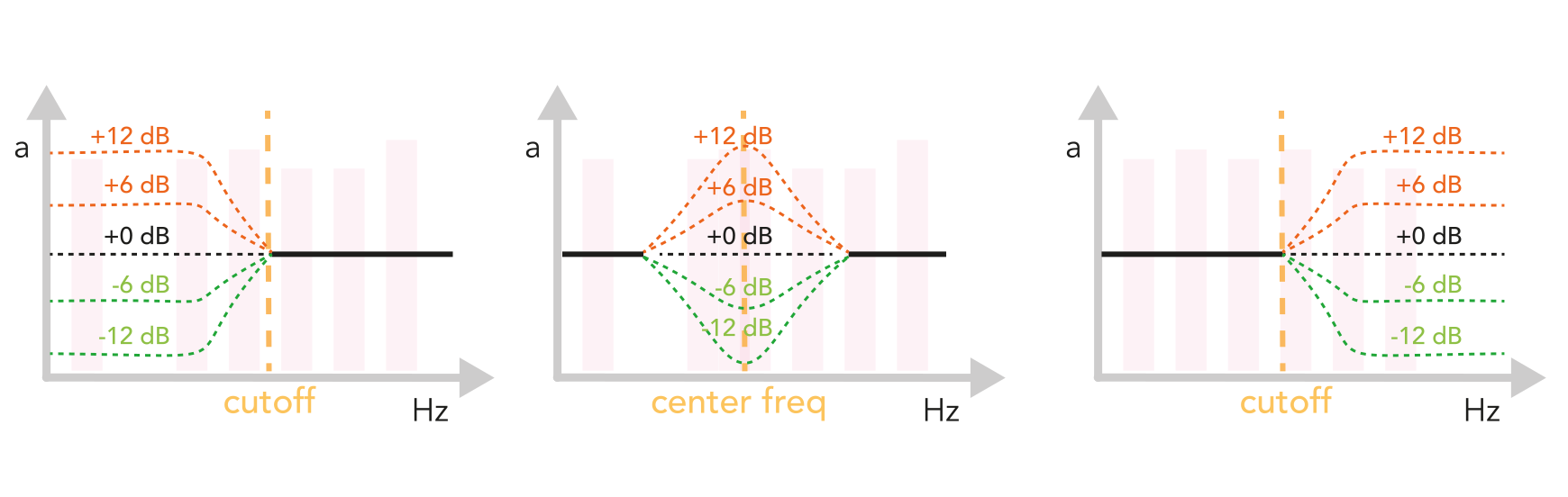
Enfatizza o attenua le frequenze al di sotto della frequenza di taglio Emphasizes or attenuates frequencies below the cut-off frequency
Enfatizza o attenua una banda di frequenze Emphasizes or attenuates a particular frequency band
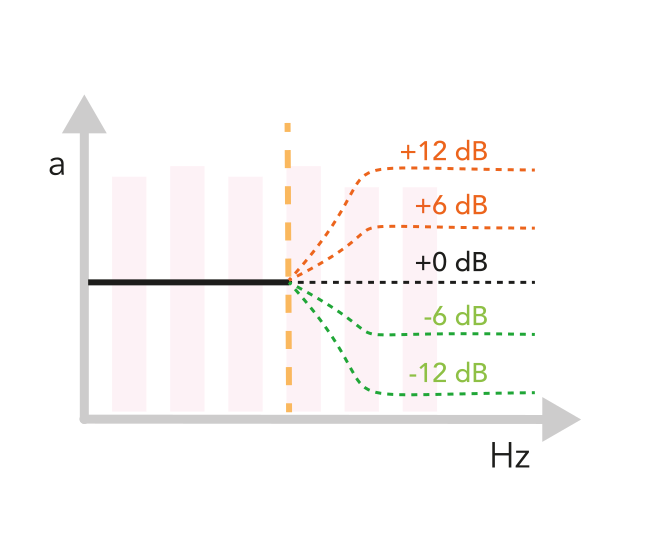
Enfatizza o attenua le frequenze al di sopra della frequenza di taglio Emphasizes or attenuates frequencies above the cut-off frequency
Parametri Parameters
Indica l'aumento o la diminuzione di ampiezza che il filtro applicherà al suono in ingresso all'interno del suo range di azione. Si misura in dB. Gain is the amplitude scaling factor that controls how much the shelf filters emphasize or attenuate the signal within the EQ's response. It is measured in dB.
FILTRO All-Pass All-Pass FILTER
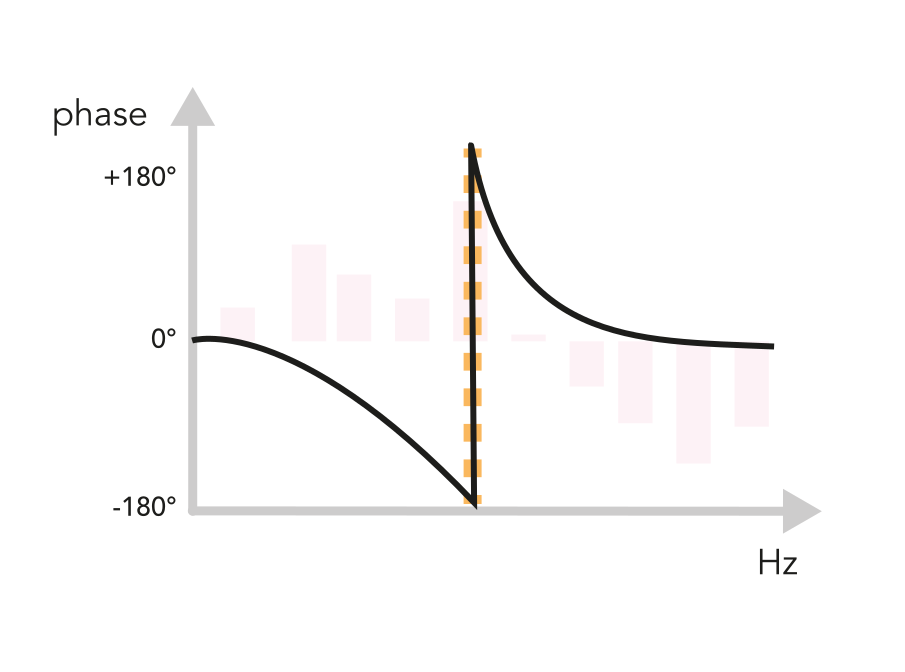
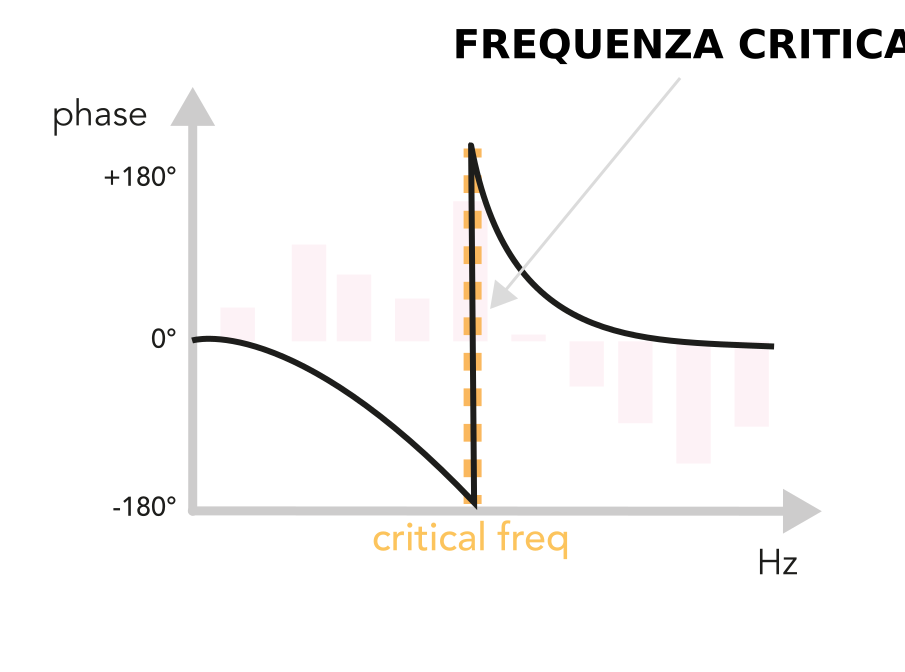
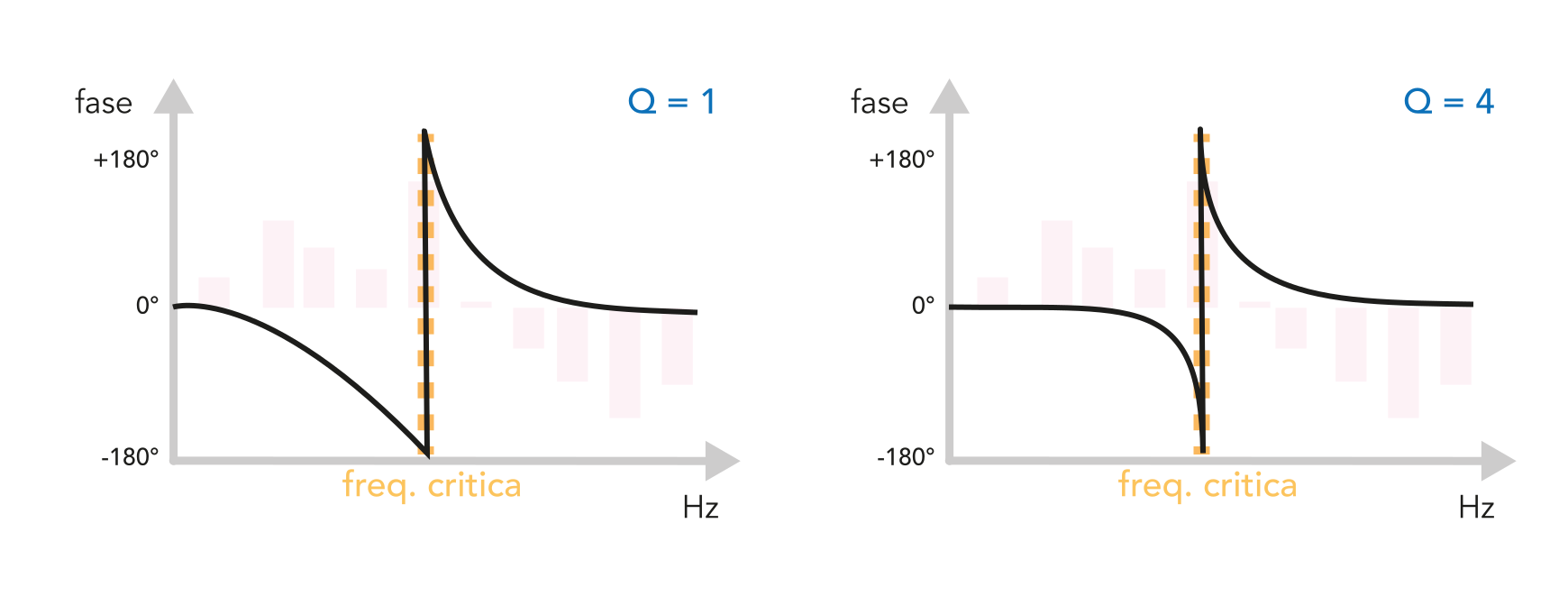
Fa passare inalterate tutte le frequenze ma che cambia le fasi. The All-pass filter is a filter that passes all frequencies, not changing the amplitude. This filter can significantly change the phase though.
La somma del risultato del filtro allpass al suono originale crea attenuazioni di bande frequenziali (filtraggi) in prossimità delle frequenze critiche (o di turnover). This comes in handy when all-pass filters are used in conjunction with other copies of the same sound, causing boosts, attenuations, or even cancellations of certain frequencies of our sound.
Parametri Parameters
Frequenza critica (o di turnover): La frequenza in cui le fasi vengono invertite e quindi in cui si ha la massima azione del filtro Critical frequency can be set to control phase. An all-pass filter does not change all the phases of the spectrum that make up our sound in the same way. The phase of the frequencies surrounding the critical frequencies are most affected by the all-pass filter. As we move further away from the critical frequency, the phase response shifts less.
Parametri — Fattore di risonanza Parameters — Q Factor
(Fattore Q = Quality Factor) (Resonance / Quality Factor)
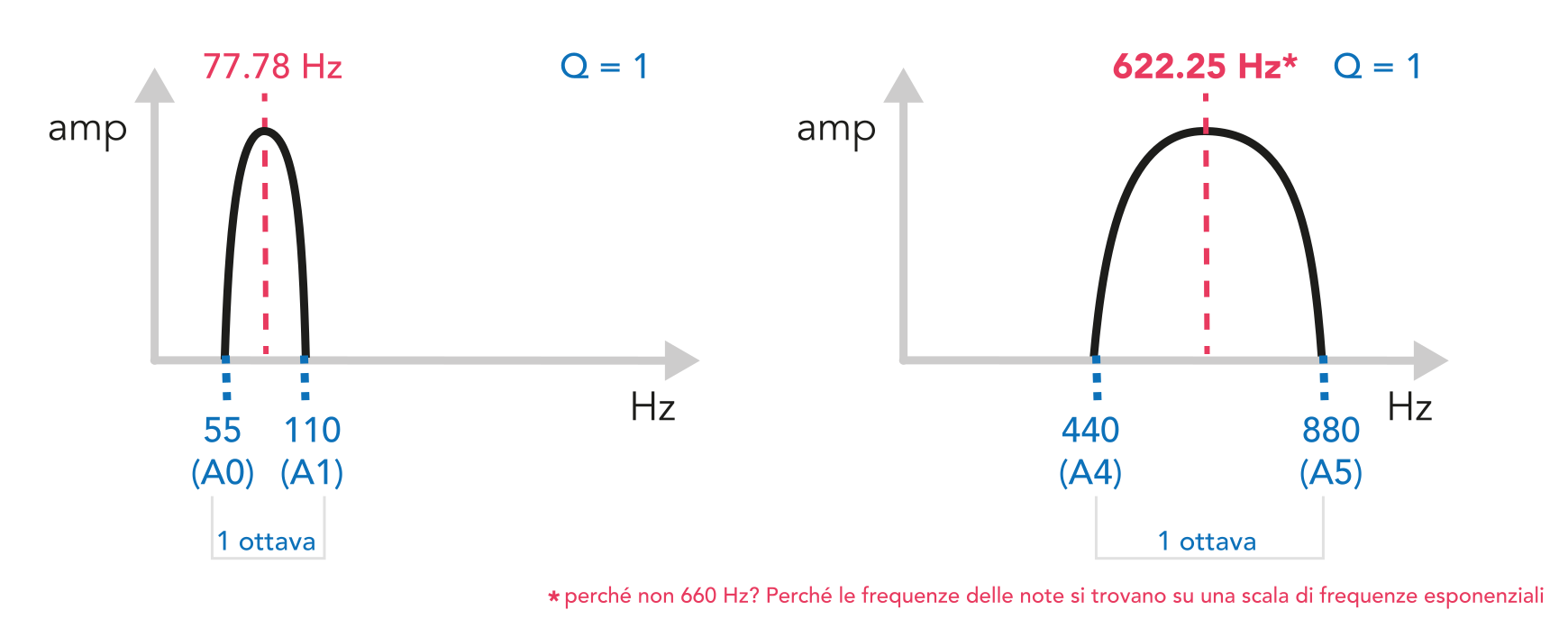
Q: in questo caso rappresenta la pendenza della curva della fase e di conseguenza l'ampiezza della banda soggetta a inversione di fase, la banda cioè in cui si ha il maggiore effetto del filtro Q: in this case represents the slope of the phase curve and consequently the amplitude of the band subject to phase inversion, i.e. the band in which the filter has the greatest effect
FILTRO Low-Pass · FILTRO High-Pass Low-Pass FILTER · High-Pass FILTER
FILTRO Band-Pass · FILTRO Notch Band-Pass FILTER · Notch FILTER
Low-Shelf · Bell · High-Shelf Low-Shelf · Bell · High-Shelf
FILTRO All-Pass All-Pass FILTER
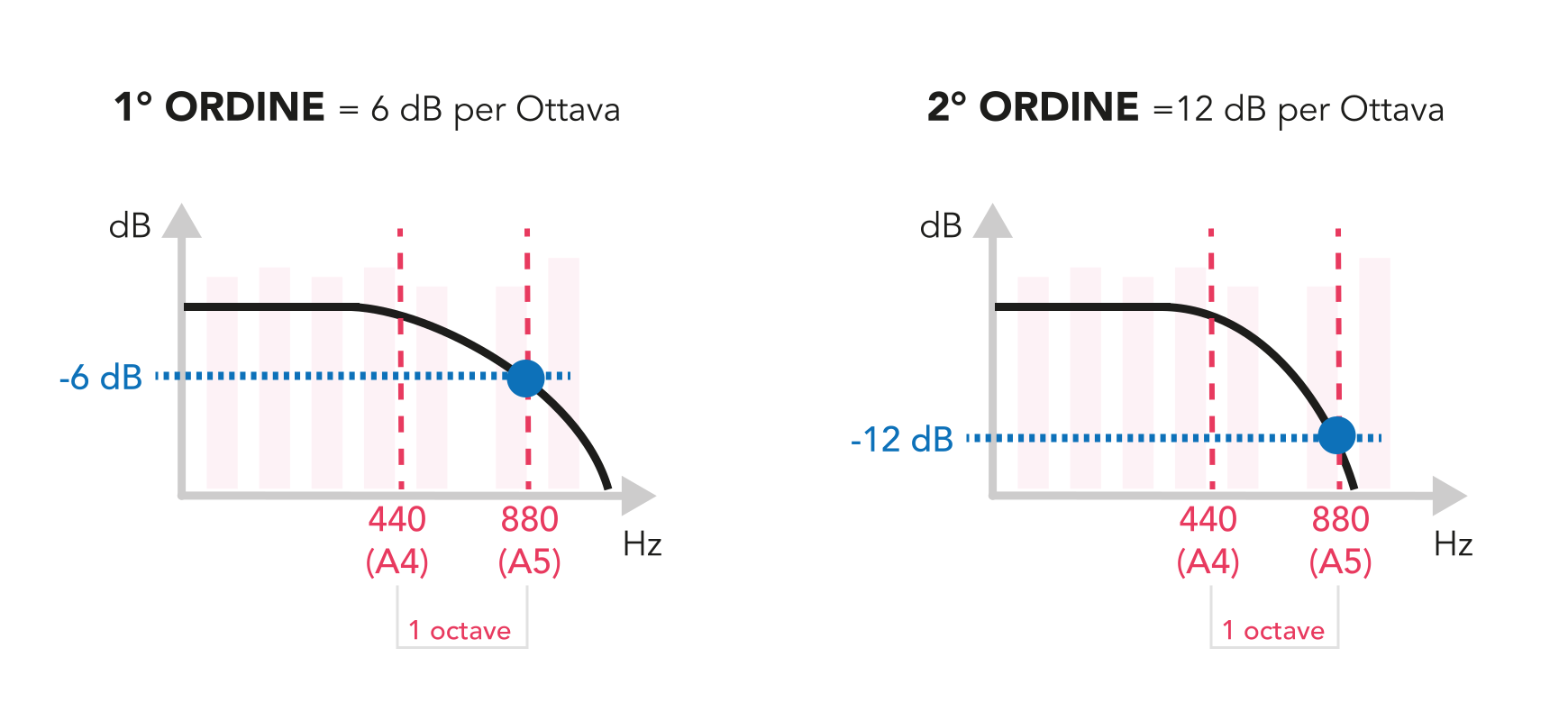
L'ordine dei filtri: Quanto è pendente il nostro filtro? Filters order: How steep is the filter?
Filtri del primo ordine: attenuazione di 6dB per Ottava First order filters: attenuation of 6 dB per Octave
Esempio LPF: freq. di taglio: 4000 Hz | suono immesso: Sinusoide 4000 Hz | risultato: Sinusoide 4000 Hz dimezzata in ampiezza (−6 dB) LPF example: Cutoff: 1,000 Hz | Input sound: sine wave 4,000 Hz | Result: sine wave 4,000 Hz halved in amplitude (−6 dB)
Esempio HPF: freq. di taglio: 1000 Hz | suono immesso: Sinusoide 250 Hz | risultato: Sinusoide 250 Hz dimezzata in ampiezza (−6 dB) HPF example: Cutoff: 1,000 Hz | Input sound: sine wave 250 Hz | Result: sine wave 250 Hz halved in amplitude (−6 dB)
Filtri del secondo ordine: attenuazione di 12dB per Ottava Second order filters: attenuation of 12 dB per Octave
Esempio LPF: freq. di taglio: 1000 Hz | suono immesso: Sinusoide 8000 Hz | risultato: Sinusoide 8000 Hz a 1/4 dell'ampiezza (−12 dB) LPF example: Cutoff: 1,000 Hz | Input sound: sine wave 8,000 Hz | Result: sine wave 8,000 Hz at 1/4 of the amplitude (−12 dB)
Esempio HPF: freq. di taglio: 1000 Hz | suono immesso: Sinusoide 250 Hz | risultato: Sinusoide 250 Hz a 1/4 dell'ampiezza (−12 dB) HPF example: Cutoff: 1,000 Hz | Input sound: sine wave 250 Hz | Result: sine wave 250 Hz at 1/4 of the amplitude (−12 dB)
Per ottenere Filtri superiori al secondo grado si collegano in serie più filtri del primo o del secondo ordine. To obtain filters higher than second-order we can connect in series several first or second-order filters.
Wah wah Wah-wah
Se muovo ritmicamente la frequenza di taglio di un filtro band-pass (o, talvolta, low-pass risonante), ottengo un effetto caro a chitarristi e non solo, che prende il nome dal risultato sonoro che ottengo, Wah-wah. Di solito si utilizza un pedale per modulare questo effetto ma si può anche automatizzare lo spostamento con un LFO. In questo caso si parla di auto-Wah. If I rhythmically vary the center frequency of a band-pass filter with a high Q value, I get an effect the Wah-wah effect. Changing the resulting center frequency causes a kind of "mewing" of our input sound, precisely achieving the onomatopoeic name, wah-wah. Usually, we use a dedicated pedal to modulate this effect, but you can also automate the changes with an LFO, resulting in an auto-wah.
Wah wah — schema Wah-wah — signal flow
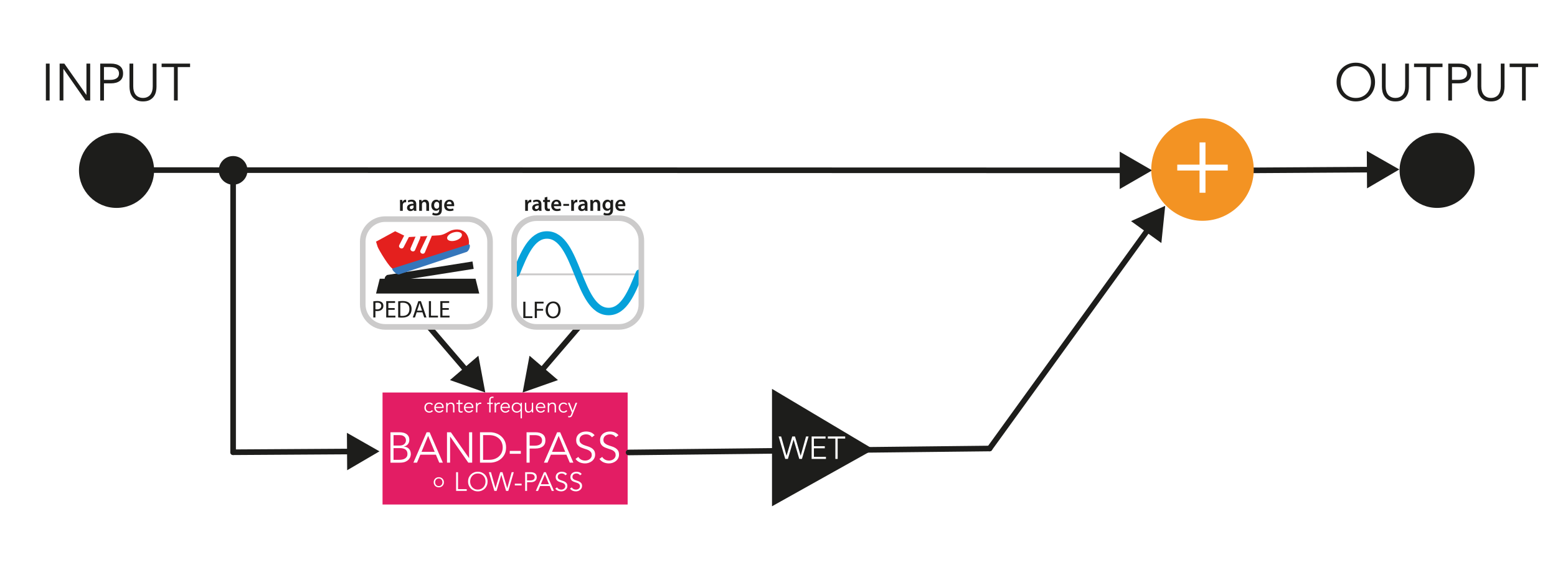
La velocità con cui la frequenza centrale (o di taglio se LPF) varia (velocità dell'LFO) The speed at which the center frequency varies (LFO speed)
L'intervallo di frequenze su cui agisce il pedale o l'LFO The frequency range on which the pedal or LFO acts
Quantità di suono effettato che sommiamo all'originale Amount of processed sound that I add to the original
La quantità di risonanza che crea il lowpass The amount of resonance created by the lowpass
Phaser Phaser
Il Phaser si ottiene con un LFO che cambia continuamente le frequenze critiche di filtri all-pass. Provoca l'attenuazione di alcune bande frequenziali dovute a cambi di fase del segnale in ingresso e successiva somma del segnale processato con quello originale. We can control the critical frequency of an all-pass filter continuously with an LFO. As this critical frequency sweeps up and down with a copied signal, phase cancellations will occur at particular frequencies. Because the LFO controls the sweep, the effect is a sort of "negative" glissando, where an absence of energy in a frequency band glisses higher and lower. This effect is known as the Phaser.
Phaser — schema Phaser — signal flow
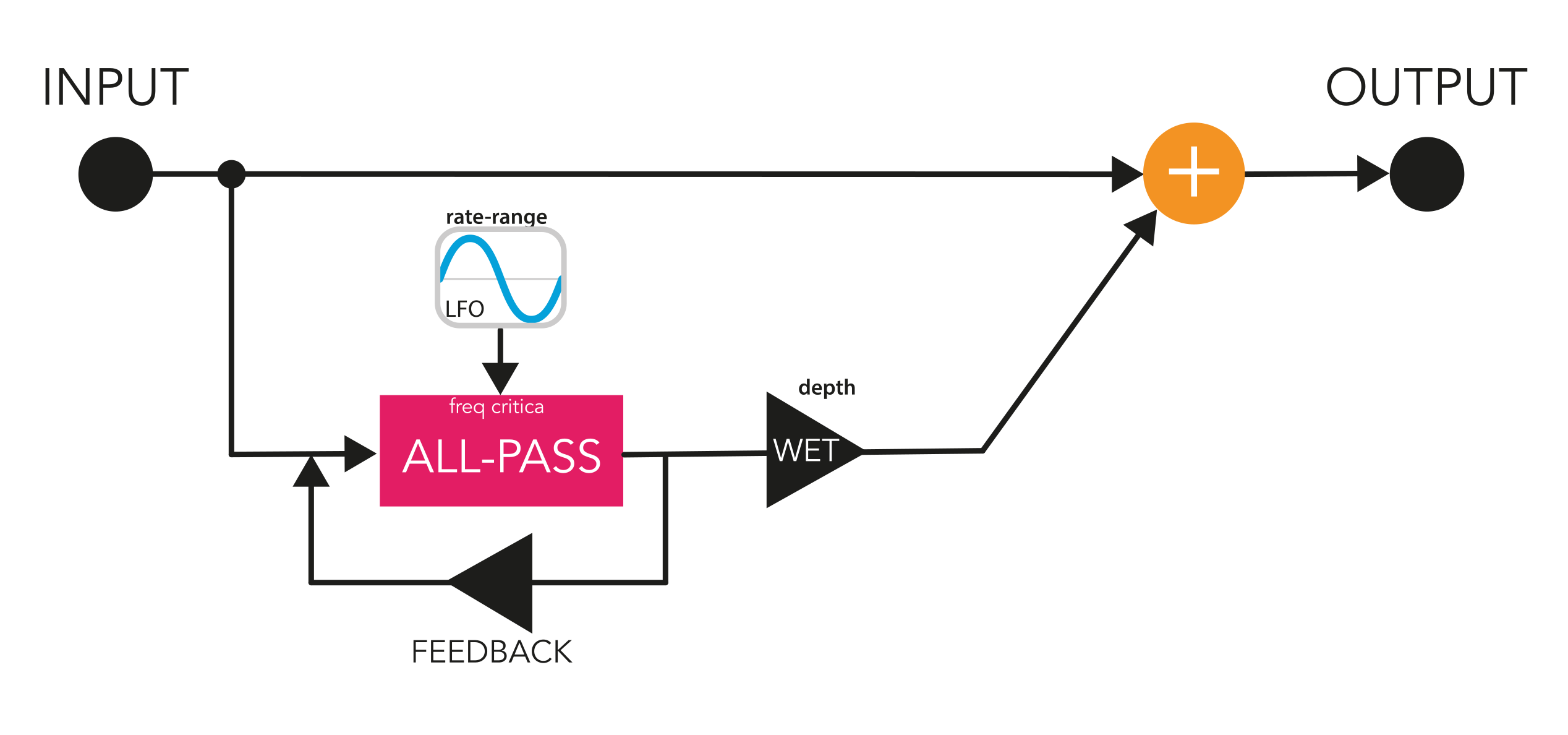
La velocità con cui la frequenza di turnover varia (velocità dell'LFO) The speed at which the turnover frequency varies (LFO speed)
L'ampiezza dell'oscillazione (ampiezza dell'LFO) che controlla l'ambito di variazione della frequenza di turnover The amplitude of the oscillation (LFO amplitude) that controls the range of variation of the turnover frequency
Dato dalla quantità di suono ritardato che sommo all'originale Given by the amount of delayed sound I add to the original
Aumenta il segnale di uscita reintrodotto in ingresso. Può essere anche negativo (si sottrae anziché sommare). Increases the output signal fed back into the input. Can also be negative (subtracts instead of adding).